
Cottesloe Structural Floor Repairs
Cottesloe Structural Floor Repairs for sagging timber floors, subfloor defects, and joist damage. Local experts restoring safety and long-term stability for your property.
1/30/20267 min read
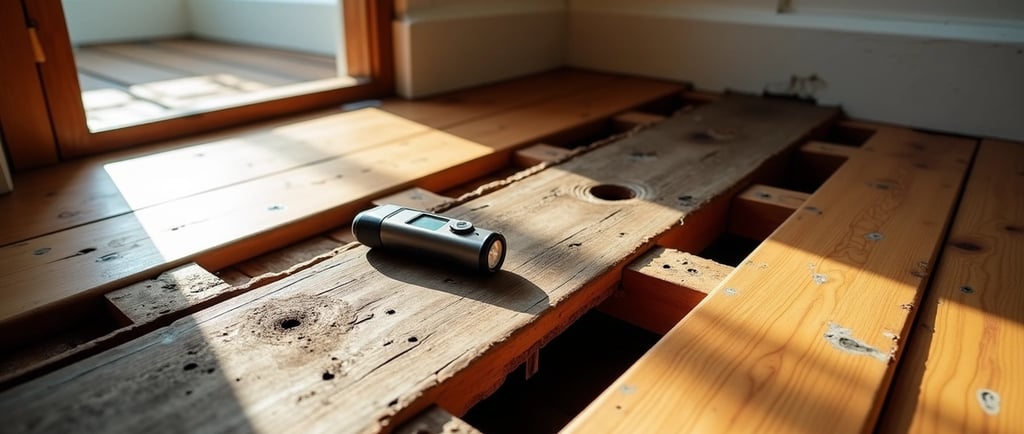
Hidden Structural Timber Floor Issues in Cottesloe Homes: Expert Guide
Many Cottesloe homes hide structural timber floor problems until they cause substantial damage or discomfort. Suspended timber floors often develop defects from deflexion, fungal attack, or insect infestation that worsen over time. Our property inspections in Cottesloe reveal that homeowners rarely notice serious structural issues developing right under their feet.
Timber flooring in this coastal suburb faces unique challenges, especially when you have moisture-related damage. The subfloor space becomes a breeding ground for timber decay and pest activity due to poor ventilation and excess moisture. Your home's structural floor joists can deteriorate from termites, moisture problems, and movement. These issues threaten both comfort and your home's structural integrity. This piece will get into common timber structural floor problems unique to Cottesloe properties, their mechanisms, and practical ways to protect your investment.
Timber flooring construction in heritage and modern homes
Cottesloe's residential buildings showcase both heritage and contemporary timber floor systems. Heritage homes feature solid timber flooring that's 19mm to 22mm thick. You can sand and refinish these floors multiple times. Modern Cottesloe homes tend to use engineered timber flooring. This type combines real timber veneer with a stabilised core that handles coastal moisture changes better. On top of that, floating timber systems with click-lock installation have become popular in recent renovations. These systems let you install new flooring right over existing surfaces.
Role of structural floor joists in load distribution
Floor joists serve as the backbone of timber structural floors and transfer building loads safely through the foundation into supporting soil. These horizontal beams create a framework between walls or foundations that spreads weight evenly across the structure. Building standards require living room floors to meet deflexion limits of L/360 with 40 psf load capacity. Bedroom floors need L/360 with 30 psf. Joists must strike the right balance between strength to bear weight without breaking and stiffness to minimise bending under maximum expected loads.
Common materials used in Cottesloe subfloor systems
Subfloor construction in Cottesloe homes relies on several key materials:
Plywood - The most popular subflooring material since the 1950s. The ¾" tongue-and-groove plywood resists edge movement well.
Oriented Strand Board (OSB) - Performs like plywood but costs less. It takes longer to dry after getting wet.
Particleboard - Made from pressed wood chips, this material isn't as strong as plywood and doesn't work well in moisture-prone coastal areas.
Floor joists typically use dimensional timber or engineered wood products. Treated timber plays a crucial role in many coastal Cottesloe homes because it fights off termites and fungal decay - vital factors given the suburb's location near the ocean.
Hidden Timber Floor Issues Found During Inspections
Professional inspectors often discover timber floor problems that stay hidden until obvious signs appear. These hidden issues can put your home's structure at risk and cost you dearly if you ignore them. In many cases, targeted subfloor timber repairs are needed to address moisture damage, termite activity, or weakened floor joists.
Termite damage in subfloor voids
Your subfloor space creates the perfect environment that termites love, and subterranean species do the most damage to building timbers. Inspectors look for mud-covered shelter tubes that run over foundations or climb up piers into the subfloor. Termites attack the subfloor and damage nearby floor joists. They eat the timber from inside out but leave the surface looking normal. Australian termite inspection requirements detail the process of inspection. Leaky and deteriorated gutters can also contribute to excessive moisture and termite infestation.
Moisture ingress and fungal decay in joists
Wood starts to rot when its moisture content goes above 20%, and brown rot loves to attack floorboards and joists. A reproductive fruiting body shows that the wood decay is a big deal as it means that you need to replace the timber. Affected joists might look fine at first and seem strong, but as the decay spreads, they become weak and eventually fail under normal weight. Timber decay and moisture thresholds are important to monitor.
Squeaky floors from loose or warped boards
Floor parts rubbing against each other when you walk cause those annoying squeaks. This happens because tongue and groove joints break or come loose, nails miss their joists, or boards move against fasteners. People often say "it's just an old floor," but constant squeaking usually means there are structural problems that need fixing.
Sagging or uneven floors due to joist movement
Floors that slope tell you there's foundation damage or weak support beams. The biggest problems include broken or rotting joists, columns that have settled, or support beams placed too far from each other. These problems create gaps where moisture gets in, and this leads to more damage and safety risks if you don't fix them quickly.
Causes Behind Structural Timber Floor Failures
Several factors slowly break down the structural integrity of timber floors in Cottesloe homes.
Poor ventilation and trapped moisture
Bad subfloor ventilation lets too much moisture build up, which makes timber rot and attracts termites. Trapped humidity spreads through the house and makes wooden parts expand and warp until they're ruined. High moisture levels damage the structure's integrity by cracking walls, rotting timber, and expanding floor boards.
Use of untreated or green timber. Termites and beetles easily damage untreated timber and weaken floor structures. Green (unseasoned) timber creates major structural problems as it dries, warps, and twists. This movement puts huge stress on joints that can misalign frames and crack walls.
Inadequate support spacing for floor joists. Floor joists need proper spacing to spread loads across the structure. Older Cottesloe homes often show sagging floors and reduced load-bearing capacity because supports are too far apart.
Improper drainage around the foundation. Water pools around foundations when drainage is poor and seeps into subfloor areas. This standing water soaks into the ground, damages foundations, and creates ideal conditions for termites. The moisture makes foundations shift, which cracks walls and throws doorframes out of alignment.
Inspection and Prevention Strategies for Homeowners
Regular maintenance and timely inspections protect your Cottesloe home's timber floors from getting pricey repairs. These simple steps can substantially extend your timber structural floors' life.
How to prepare for a subfloor inspection
Your subfloor area needs to be clear of building debris and vegetation. The ground should have proper grading. Make sure the openings are evenly spaced and sit no more than 600 mm from corners to get a full picture.
Installing subfloor ventilation systems
Good subfloor ventilation removes stale, damp air that guides timber to decay. Mechanical systems keep the air flowing no matter what the weather is like. A typical two-fan system costs under AUD 4,586.97 with GST. The best results come from installing vents on at least two sides with straight ducting.
Using treated timber in new constructions
Preservative-treated timber stops insects and fungi from causing rot. Above-ground projects need durability Class 1 or 2 timbers or H3 preservative-treated options. In-ground projects require in-ground durability Class 1 or 2 timbers or H5 preservative-treated alternatives.
Annual maintenance checklist for timber floors
Use bare floor settings to sweep, dust mop, or vacuum often
Clean spills right away with dry or slightly damp cloth
Stay away from wet mops or steam cleaners
Pick cleaners made specifically for your floor finish
When to call a structural engineer
You should call a structural engineer right away if you see diagonal cracks near windows or doors, slumping floors, or uneven surfaces. These experts can tell if the damage is just cosmetic or structural and offer solutions that protect your property's safety and value.
Conclusion
Timber floor maintenance is crucial for Cottesloe homeowners. In this piece, we explored how these beautiful yet vulnerable structures need constant attention. The coastal environment creates unique challenges, with moisture ingress and termite activity posing the biggest threats to your subfloor system.
Regular inspections can mean the difference between minor fixes and major structural overhauls. Early detection of problems like fungal decay, loose joists, or termite infestations saves thousands in future repair costs. These issues start small but grow quickly when ignored.
Your first line of defence against moisture damage is proper ventilation. Using treated timber for replacements or renovations protects against insects and rot effectively.
The choice of materials and construction methods matters greatly for homeowners planning renovations or new builds. Existing homes need annual maintenance checks and quick responses to warning signs like squeaking floors or uneven surfaces.
This information should help protect your Cottesloe home's timber floors well into the future. Note that investing in prevention and early intervention costs less than major structural repairs. Your timber floors will reward careful maintenance with lasting beauty and durability that preserves your coastal property's character and value. Structural issues beneath timber floors often require professional structural floor repairs in Perth to restore load capacity and long-term safety.
FAQs
Timber floor problems raise several questions from Cottesloe homeowners. A good understanding of these common concerns will help protect your home's structure.
What are the signs of hidden timber floor issues?
You'll notice uneven or sunken floors, musty smells, visible mould patches, and floorboards that feel spongy when you walk on them. The boards might warp or buckle, and you could see dampness in the subfloor area or large gaps between boards. Dark spots or fuzzy patches along joists usually mean high humidity levels. A rocking toilet or cracked floor tiles could point to subfloor problems.
How often should I inspect my subfloor?
Australian Standards AS3660.2017 says you should check your home for termites once a year. But homes with higher risks need checks every six months - especially those with past termite problems or near bushland. Note that regular checks help spot issues early and stop them from getting pricey.
Can squeaky timber floors indicate structural problems?
Not always. Squeaks usually happen when loose floorboards rub against nails or other boards. But if you hear squeaking everywhere, and your floors bounce or sag, or you see wall cracks, you might have serious structural issues. You should get a professional to look at your floors if they feel unstable or move too much.
Is poor ventilation a serious issue for timber floors?
Yes, it is. Bad subfloor ventilation traps moisture that leads to fungal decay and creates perfect conditions for termites. You'll know you have ventilation problems if you smell musty odours, see mould, notice warped floorboards, or spot condensation on your lower walls. Good airflow under your floors cuts down moisture and stops wood rot.
What is the cost of repairing timber floor joists?
The cost changes based on how bad the damage is and how easy it is to reach. We found that repairs cost less when workers can reach damaged joists from a basement or crawl space without removing flooring. "Sistering" joists (adding new ones next to damaged ones) costs less than putting in completely new ones. You'll need a professional assessment to get an accurate quote.
Contact
Shenton Park, Perth, WA, 6008
Email:
info@perthmasterbuildingservices.com.au
PHONE: 1300 852 496
Perth Master Building Services is powered by Master Building Inspectors © 2026. All rights reserved.




Registered Building Contractor No: 106426