
Preventing Structural Damage in Perth Homes
Preventing structural damage in Perth homes starts with preventative maintenance and early repairs, helping homeowners avoid costly building issues over time
12/19/20253 min read
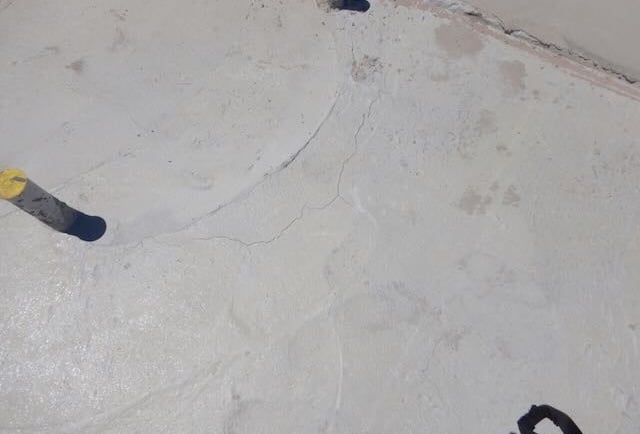
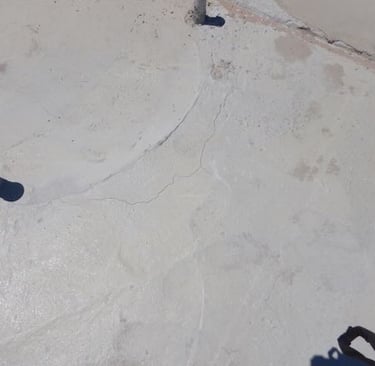
Preventing structural damage in Perth homes starts with understanding how local conditions affect buildings. Perth experiences extreme heat, seasonal rain and varied soil types. Over time, these factors place stress on residential structures. As a result, damage can develop slowly and remain unnoticed.
Many homeowners prioritise cosmetic improvements. However, structural health is far more important. When early warning signs are ignored, minor issues often escalate. Consequently, repair costs increase and safety risks rise.
By focusing on prevention, homeowners protect both property value and long-term stability. Early action remains the most effective approach. Ongoing exposure can weaken roof framing, which is why timely roof structure repairs Perth help maintain long-term stability.
Why Perth Homes Are Vulnerable to Structural Damage
Perth’s soil conditions contribute significantly to structural movement. Some areas contain reactive clay, while others feature sandy soils. These ground types respond differently to moisture changes. Therefore, foundations may shift or settle unevenly.
Seasonal weather also plays a role. Extended dry periods cause soil shrinkage. Heavy rainfall then leads to rapid expansion. Over time, this cycle stresses footings and load-bearing elements.
Roof structures face similar challenges. Constant sun exposure dries timber and weakens fixings. Strong winds further increase pressure on roof framing. Without maintenance, these forces reduce structural performance.
Moisture remains another major contributor. Leaking roofs, failed waterproofing and poor drainage allow water to enter structural components. As a result, timber decay and corrosion can occur.
Early Signs That Structural Damage May Be Developing
Recognising early warning signs helps prevent structural damage in Perth homes. Small indicators often appear before serious failure occurs.
Cracks around doors and windows are common indicators. While fine cracks may be cosmetic, widening or stepped cracks suggest movement. Uneven floors or doors that stick can also indicate foundation issues.
Ceiling cracking or sagging may point to roof structure stress. Additionally, visible roof line irregularities should not be ignored. These signs often worsen during extreme weather.
Persistent damp smells, bubbling paint or mould growth may indicate moisture intrusion. Over time, moisture weakens structural materials. Early investigation limits further deterioration.
The Role of Preventative Maintenance
Preventative maintenance plays a critical role in structural protection. Simple measures reduce long-term risk and repair costs.
Maintaining roof coverings prevents water ingress. Broken tiles, damaged flashing and rusted fixings allow moisture into roof structures. Regular inspections reduce this risk.
Drainage management is equally important. Blocked gutters and poor surface drainage cause water to pool near foundations. Over time, this leads to soil movement and structural stress.
Promptly repairing minor defects prevents damage from spreading. Small cracks or loose components often worsen if left unattended. Early repairs remain simpler and less disruptive.
Preventative maintenance also supports compliance with Australian building standards. Well-maintained homes experience fewer unexpected failures.
Why Professional Assessment Matters
Some structural issues remain hidden from view. Therefore, professional assessment is essential. Qualified builders identify underlying causes rather than surface symptoms.
Incorrect repairs often mask problems temporarily. However, unresolved structural stress continues beneath the surface. As a result, damage may reappear.
Professional assessments focus on long-term solutions. Builders evaluate load paths, moisture sources and material condition. This approach ensures repairs improve overall stability.
Engaging professionals also provides peace of mind. Homeowners gain clarity on risk levels and recommended actions.
Preventative Repairs Versus Reactive Repairs
Preventing structural damage in Perth homes is more cost-effective than reactive repair. Preventative repairs address vulnerabilities before failure occurs. Consequently, repair scope remains controlled.
Reactive repairs often involve multiple structural elements. Once damage spreads, repairs become complex and expensive. In some cases, occupants experience significant disruption.
Preventative repairs also preserve property value. Buyers and insurers prefer well-maintained homes with documented maintenance history. Therefore, early intervention benefits future transactions.
Preventative maintenance also supports compliance with Australian building standards for residential construction, which outline minimum performance requirements for structural safety.
Long-Term Benefits of Structural Prevention
Homes that receive ongoing maintenance perform better over time. Structural elements remain stable and reliable. As a result, homeowners experience fewer emergencies.
Preventative strategies also extend building lifespan. Materials exposed to moisture or stress deteriorate faster. Reducing exposure slows this process.
Most importantly, prevention improves safety. Structural integrity directly affects occupant wellbeing. Ensuring stability protects everyone inside the home. In some cases, professional structural repairs Perth are required to stabilise damage and prevent further deterioration.
Protecting Perth Homes Through Early Action
Preventing structural damage in Perth homes requires awareness, maintenance and professional support. Local conditions demand proactive care. Ignoring early signs increases risk.
By addressing minor issues early, homeowners avoid major repairs. Preventative maintenance, combined with expert assessment, delivers long-term protection.
Taking action today preserves both safety and value tomorrow.
Contact
Shenton Park, Perth, WA, 6008
Email:
info@perthmasterbuildingservices.com.au
PHONE: 1300 852 496
Perth Master Building Services is powered by Master Building Inspectors © 2026. All rights reserved.



Registered Building Contractor No: 106426